


Hard water is a common issue across North America, affecting millions of homes and businesses. For decades, people have relied on traditional water softener systems to reduce mineral buildup. But what if there were a smarter, salt-free, and affordable alternative that does the job without the hassle, cost, and maintenance?
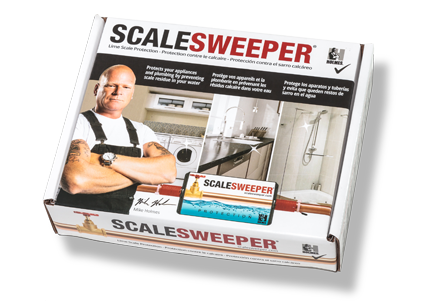
Meet Scalesweeper, an advanced electronic descaler that transforms how we deal with hard water—without salt, chemicals, or ongoing maintenance.
This technology effectively tackles hard water issues without salt or harmful chemicals. It’s been laboratory-tested and is perfect for both homeowners and property managers. Scalesweeper is changing how we view water conditioning
Learn how it can protect your plumbing systems and improve water quality. It’s a smarter investment in the best water softener system available.
Essential Insights
- Traditional water softeners use salt and ion exchange, often requiring ongoing maintenance and high costs.
- Scalesweeper is a chemical-free and eco-friendly solution that prevents scale buildup in pipes and appliances.
- It works by emitting electronic frequency impulses that alter the structure of minerals in water, preventing them from sticking to surfaces.
- Installation is simple, with no plumbing modifications needed.
- Available through trusted retail partners
On this page
Understanding the Hard Water Problem
Hard water contains high levels of minerals, primarily calcium and magnesium. While these minerals aren’t harmful to your health, they can wreak havoc on plumbing systems and appliances over time. Recognizing the symptoms early can save you from costly repairs and performance issues.
What is Hard Water?
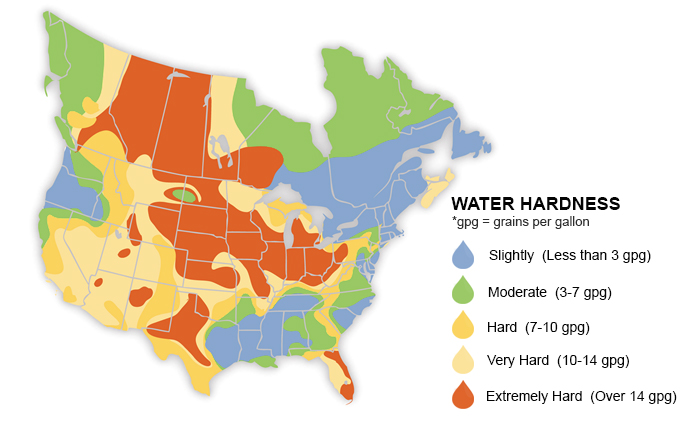
Hard water comes from underground sources. It picks up minerals as it moves through soil and rock. The amount of minerals in hard water changes based on where you live. Places with limestone tend to have harder water. Knowing about hard water is key to finding good solutions.
Common Problems Caused by Hard Water
Scale buildup in pipes and water heaters
When hard water flows through your plumbing, the minerals it carries tend to crystallize and stick to the interior of pipes and heating elements. Over time, this forms a hard, chalky deposit known as limescale. This buildup gradually narrows the pipes, restricts water flow, and forces your water heater to work harder—leading to higher energy usage and the risk of premature failure.
Reduced appliance efficiency
Limescale doesn’t just stay in your pipes. It also coats your dishwashers, washing machines, coffee makers, and any other appliance that uses water. As this scale accumulates, it reduces efficiency, shortens appliance lifespan, and increases the amount of energy required to operate. That means more wear and tear—and higher electricity bills.
Higher energy bills
When your water heater has to work harder due to limescale buildup, it uses significantly more energy to heat the same amount of water. The U.S. Department of Energy estimates that even a 1/16-inch layer of scale can decrease heating efficiency by up to 12%. Over time, this added energy usage translates into noticeable spikes in your utility costs.
Frequent plumbing repairs
Hard water problems don’t stop at efficiency—they can lead to clogs, corrosion, and leaks in your plumbing system. Homeowners with untreated hard water often find themselves calling plumbers more frequently for issues that are directly tied to scale buildup. Replacing clogged pipes or damaged fixtures can become a recurring and expensive problem.
Dry skin and brittle hair
Hard water doesn’t just affect your home—it affects your body too. The minerals in hard water can leave behind a film on your skin and hair after every shower. This film clogs pores, leads to dryness and irritation, and prevents soaps and shampoos from lathering properly. The result? Itchy skin, dull hair, and a less satisfying bathing experience.
The Traditional Water Softener System
Traditional water softeners use ion exchange to solve hard water issues. They remove calcium and magnesium, replacing them with sodium. This makes the water softer. Knowing how these systems work helps us see their good and bad sides.
How Water Softeners Work
Water softeners work in a few steps:
- The water goes into a tank with resin beads.
- Hard minerals stick to the beads, letting sodium ions go.
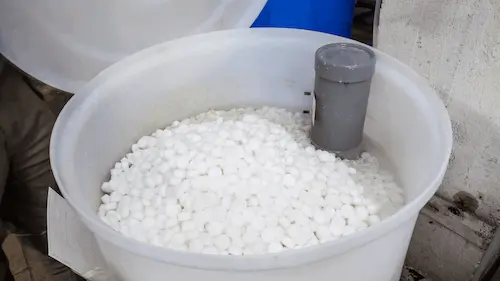
- When the beads are full, they’re cleaned with a salt solution.
These systems can make appliances work better and last longer. They also use less soap. But, they need salt, which can be a problem for those watching their sodium.
Common Disadvantages of Traditional Softeners:

Salt usage
Traditional softeners add sodium. For people with high blood pressure or sodium-restricted diets, this can be a health concern—especially when water is used for drinking or cooking.

Bulky & Expensive
These systems take up a lot of space in garages or utility rooms. Plus, professional installation and long-term operating costs can add up quickly.
High maintenance
Salt-based systems need ongoing attention. You’ll have to refill heavy salt bags regularly, clean the brine tank, and monitor the system to ensure it works correctly.

Water waste
To function properly, salt softeners need to flush themselves out—this process uses gallons of clean water, contributing to unnecessary waste and higher utility bills.
Environmental concerns
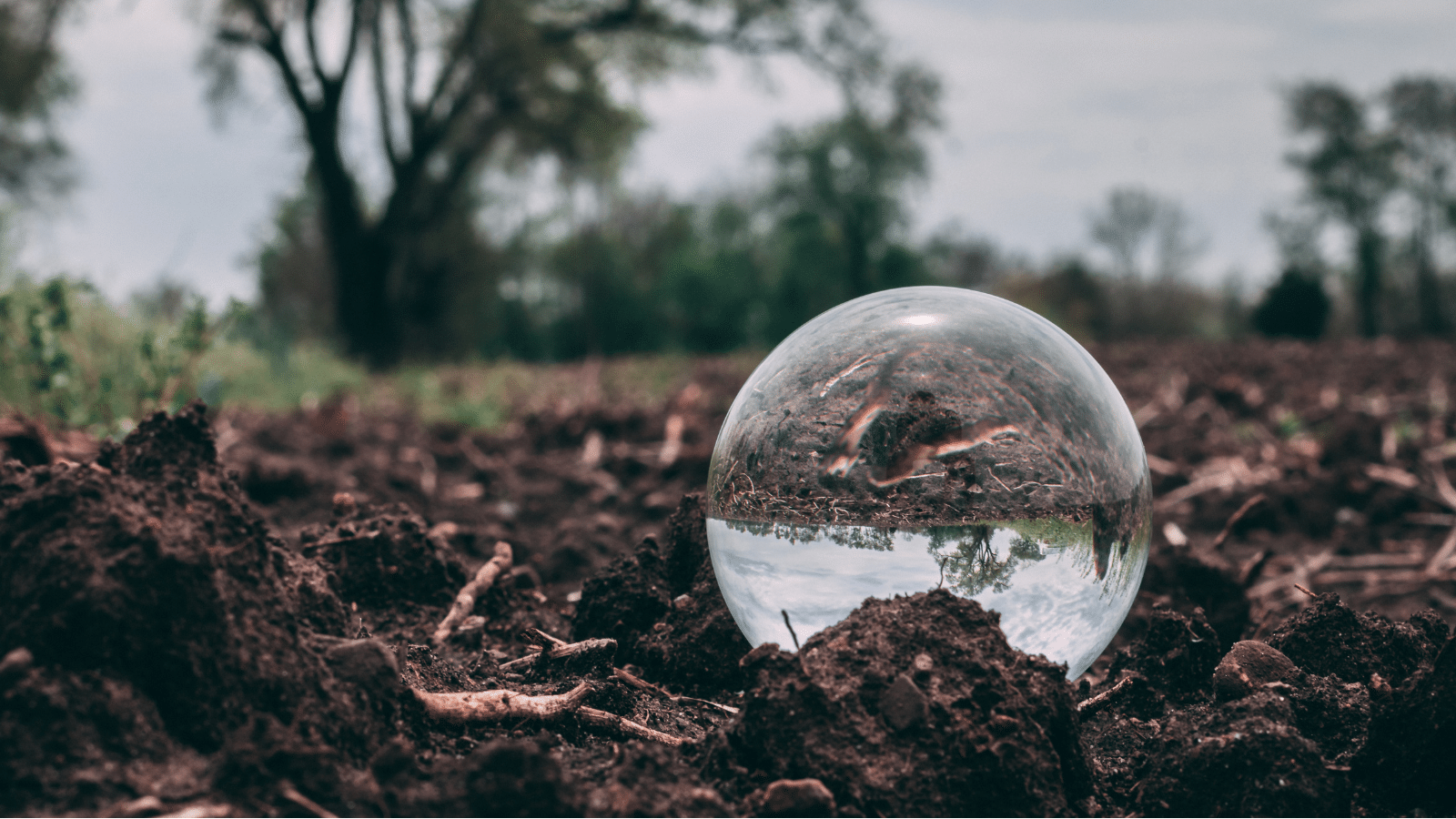
The salt brine discharge from traditional softeners flows into septic systems or city drains, introducing pollutants that can harm soil, water sources, and ecosystems.
Limited Effectiveness
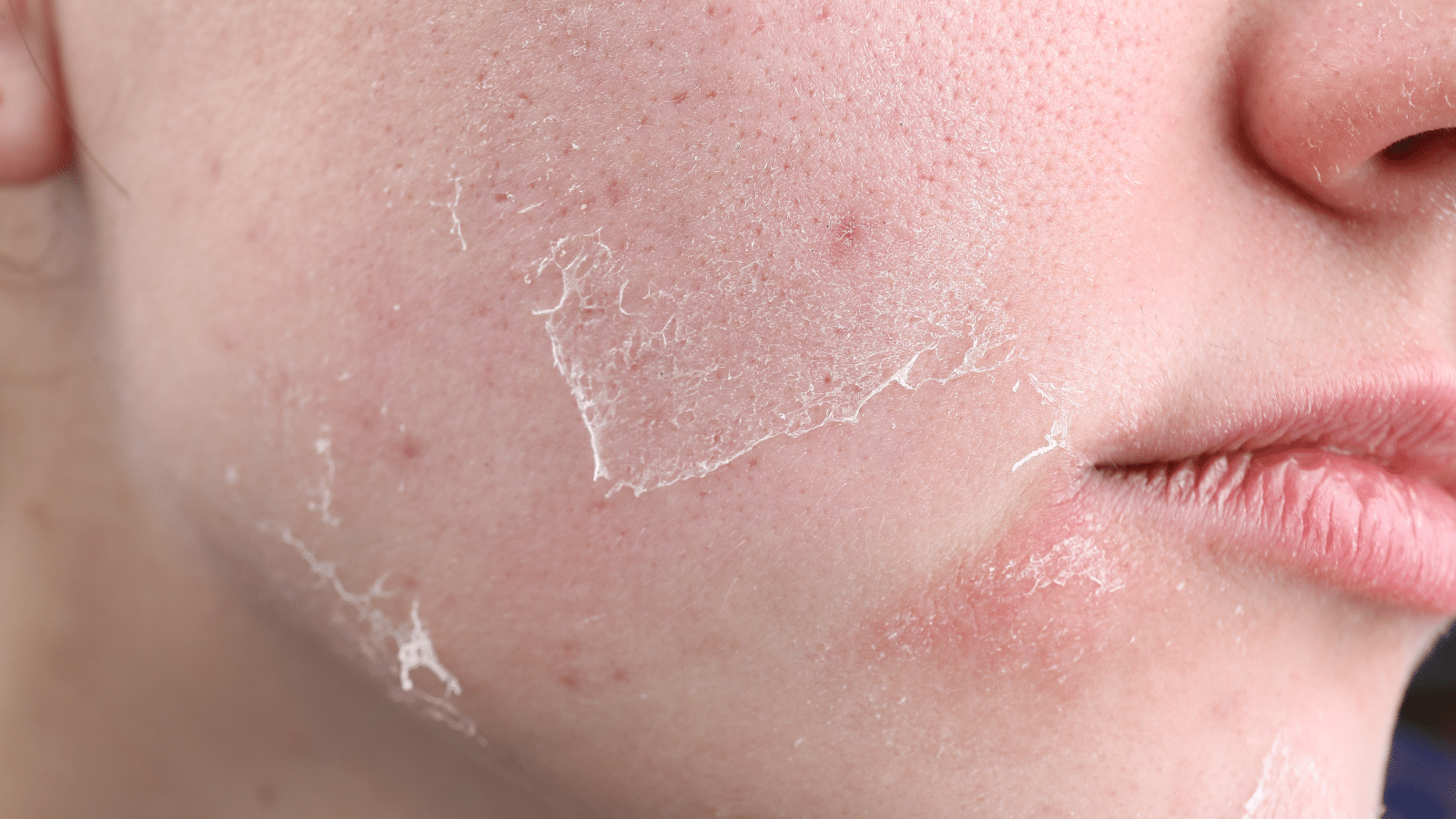
Traditional softeners remove minerals but they don’t stop all the effects of hard water. Scale can still build up, and many users report skin and hair dryness even after installing a system.
Still using a traditional water softener?
It’s time for a smarter solution.
Scalesweeper gives you all the protection—without the
salt, the waste, or the maintenance.
More than 85% of North American homes have hard water
Hard water minerals like Calcium and Magnesium stick to everything it comes in contact with throughout your home and can cause scale to form throughout your plumbing system, around taps and shower heads, as well as everyday household appliances such as water heaters, coffee makers and dish washers. Hard water will slowly clog your pipes, reducing water pressure and shorten the lifespan of your plumbing and appliances.
IDENTIFYING HARD WATER & THE ASSOCIATED ISSUES HOMEOWNERS FACE
- Increased water heating costs due to scale buildup and mineral deposits, and more frequent replacement of hot water heating elements
- Soap scum on bathtubs, shower tiles, and basins
- Glasses in the dishwasher have hard water residue, haze, spots and need to be wiped down to look good
- Film left on the body resulting in dry skin and dull, limp hair
- Decreased sudsing and cleaning capabilities of soaps and detergents, resulting in reduced life of clothing
- Increased buildup of scale on plumbing fixtures and cooking utensils such as a tea kettle, coffee maker, pasta pot, and dishes
- Clogged pipes or appliances resulting in reduced water flow and increased repairs
Discover Scalesweeper: The Better, Modern Alternative
If you're researching a water softener system, it's time to look at an innovative, low-cost, no-maintenance alternative: Scalesweeper.
Scalesweeper isn't a traditional water softener. Instead, it's a high-tech electronic descaler that prevents hard water damage by changing how minerals behave in your water system.
Scalesweeper is a top choice for homeowners fighting hard water. It uses advanced tech to stop hard water minerals from sticking to pipes and appliances. This keeps them safe from damage. Unlike old systems, Scalesweeper doesn't change water chemistry, making it safe for many uses.
Some of the Benefits
Eco-friendly (no salt, no chemicals)
Scalesweeper protects your plumbing and appliances without relying on salt, chemicals, or harsh additives. It’s a sustainable choice that helps reduce environmental impact while keeping your water system clean.
Maintenance-free
Say goodbye to salt refills, filter changes, and tank cleanings. Scalesweeper works continuously in the background without any upkeep, saving you time, effort, and ongoing costs.
Energy-efficient
Designed with modern electronics, Scalesweeper uses very little electricity. It runs silently and efficiently, helping lower your energy footprint while still delivering powerful protection against scale.
Affordable and compact
Unlike bulky softeners that require plumbing work and expensive installations, Scalesweeper is compact, cost-effective, and easy to install on your own—no tools or technicians needed.
How Scalesweeper Works
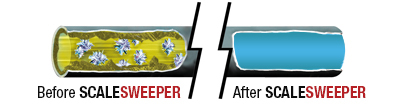
Scalesweeper uses patented technology to emit electronic frequency pulses that modify the structure of calcium and magnesium ions.
Here’s what happens:
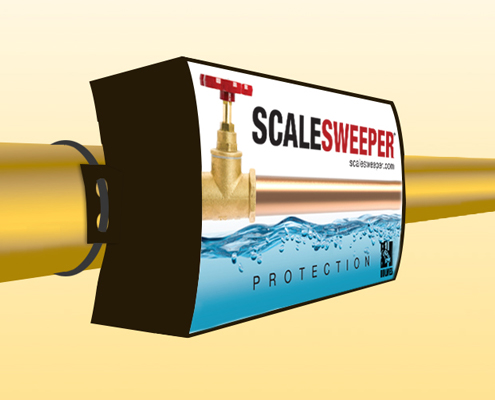
- The unit is installed on your main water line.
- Frequency impulses penetrate the water, altering mineral behavior.
- These changes prevent scale from sticking to surfaces.
- Existing scale buildup slowly breaks down over time.
The Scalesweeper works by using electronic conditioning. It sends out a special frequency that changes how hard water minerals act. Instead of sticking together, these minerals stay in the water. This stops buildup on fixtures and appliances, solving hard water problems. It’s non-intrusive, safe, and incredibly easy to install.
What to Expect
Day 1
The SCALESWEEPER action immediately starts to loosen existing scale in both the hot and cold water systems. Soap lathers more easily and dishes and glasses come out of the dishwasher sparkling clean.
Day 5 and Onwards
Scale begins to break down and come off water heater elements (immersion heaters) and tanks. Most particles are microscopic and will flow through your water system, but some small particles may be seen in the water coming from the hot water tap.
Day 10 to 16
It should be noticeably easier to wipe clean ceramic, plastic, glass, and metal surfaces. By now the quantity of bath soap, dish soap, laundry detergent, and laundry softening agents can be reduced. Scale should have loosened on faucets, shower-heads, and frequently used appliances that boil water (such as coffee makers).
Day 16 and Onwards
Scale should continue to loosen from faucets, showerheads, and pipes. With the continuing breakdown and reduction of scale from the heating surfaces of water heaters, water should heat quicker using less energy to achieve the desired temperature.
After 1 to 2 Months
Any scaly crust or stains in toilets or under faucets should be significantly reduced. No new stains or crust should form. Mold that attaches to scale will begin to disappear
from shower curtains and, once cleaned, should not reappear. Depending on the water hardness in the area, the full effects can take up to 12 weeks, especially if the system has been heavily scaled up over many years.
Long-Term
Appliances are still scale-free resulting in less maintenance thereby saving you money, plus taps and shower heads still look and operate like new!
Benefits of Choosing Scalesweeper
When compared to a traditional water softener system, Scalesweeper stands out:
Mayor Advantages:
- No plumbing modifications
- Quick DIY installation (no plumber needed)
- Preserves essential minerals in water
- No salt or chemicals
- Safe for septic systems
- Zero ongoing costs
These benefits make Scalesweeper perfect for homes and businesses. It’s a new way to soften water, different from old methods.
Who Loves Scalesweeper?
- Homeowners with hard water issues
- Landlords and property managers
- RV and mobile home owners
- Small businesses and commercial property owners
Scalesweeper brings savings and simplicity to everyone.
Tired of living with hard water problems?
Scalesweeper protects your pipes and appliances—without salt, plumbing, or maintenance.
Installation: Easier Than You Think
Installing Scalesweeper is easy and designed for homeowners. It doesn’t need complex plumbing skills. This makes it a great choice for those looking to soften their water.
Just follow a few simple steps to install the water conditioner. You’ll find detailed instructions to help you. If you need help, professional services are available.
Installing the SCALESWEEPER yourself is as simple as 1-2-3 and takes less than 15 minutes.
NO TOOLS, NO PLUMBER AND NO PIPE CUTTING REQUIRED.
SIMPLY INSTALL, PLUG IN AND PROTECT.
Step One

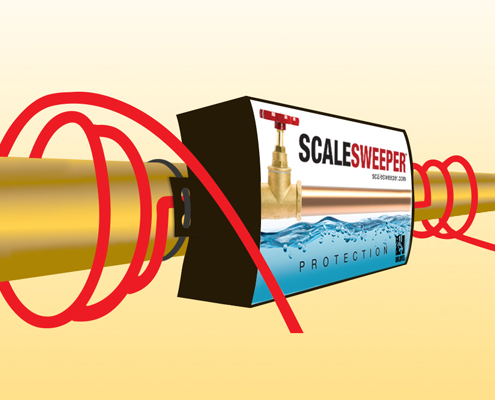
Mount vertically or horizontally directly to pipe as close to the cold water entry as possible with supplied tie-wraps.
Step Two

Coil one red antennae counter clockwise, the other clockwise and fasten with tie wraps (supplied) or electrical tape. The tighter the antenna are coiled the better SCALESWEEPER functions.
Plug-in & Protect

The SCALESWEEPER is supplied with 15 ft. of 18 gauge wire and transformer, and can be extended up to 100 ft.

Scalesweeper Maintenance and Longevity
The Scalesweeper is a game-changer in water treatment, being a maintenance-free water conditioner. It offers big advantages over old water softeners. Homeowners get better water quality with little upkeep, avoiding the hassle of water softener care.
Maintenance-Free Design
The Scalesweeper’s design means no regular upkeep like old systems need. You don’t have to add chemicals or replace parts often. This conditioner works well for years, saving you money and time.
Expected Lifespan of Scalesweeper
The Scalesweeper is known for its long life. Made with strong materials and the latest tech, it works reliably. It’s expected to last many years, solving hard water problems for a long time.
Why Scalesweeper is the Best Alternative to Water Softener System
Scalesweeper has won over many users with its positive feedback and effective results. People love the clear water it provides. This makes appliances work better and improves skin and hair health.
Laboratory Testing Results
Laboratory tests show Scalesweeper works well on hard water. It does this without harming the environment. The tests highlight its benefits in:
- Minimizing mineral buildup over time.
- Maintaining water softness for extended periods.
- Providing a consistent alternative without the use of harsh chemicals.
Comparison with Other Water Softening Alternatives
Looking at Scalesweeper against other water softening methods shows big differences. These differences affect how well they work, their cost, and how they impact the environment. Two main methods are reverse osmosis and template-assisted crystallization. Each has its own way of tackling hard water problems.
Reverse Osmosis vs. Scalesweeper
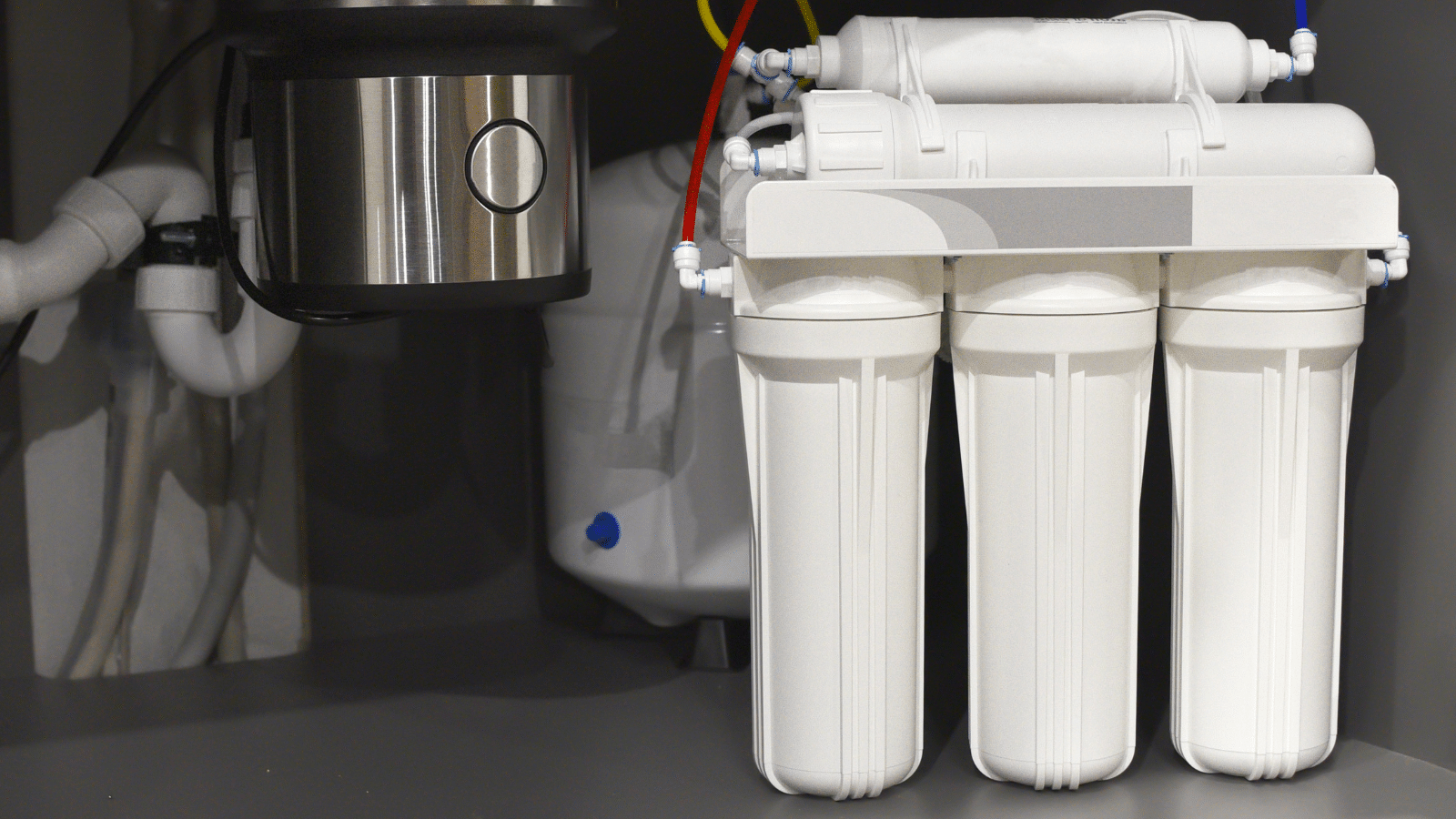
Reverse osmosis is known for removing water impurities. It uses a semipermeable membrane to filter out hardness minerals. Here are some key facts about reverse osmosis:
- Needs a lot of water pressure to work well.
- Produces wastewater, which might not be good for the environment.
- Can remove too many minerals, which is not great for drinking water.
Scalesweeper works differently. It softens water and stops limescale buildup on pipes and appliances. It does this without chemicals or using a lot of energy. This makes it a better choice for those who care about the environment.
Template-Assisted Crystallization vs. Scalesweeper
Template-assisted crystallization is a technology that controls mineral crystallization in water. It helps crystals stay suspended in water instead of forming deposits. Here are some important points about this method:
- Needs exact control over temperature and conditions to work.
- Can be more complex and expensive to set up and keep running.
- May not solve all hard water problems, depending on mineral levels.
On the other hand, Scalesweeper offers a simple and effective solution. It treats water well and tackles hard water issues without the complexity of template-assisted crystallization.
Cost-Effectiveness of Scalesweeper
Choosing an affordable water softener is key for homeowners wanting better water quality and saving money. Scalesweeper offers a smart choice that balances cost upfront with big savings later. It’s important to understand the total cost of water softeners to make the right choice.
Initial Investment vs. Long-Term Savings
The cost of Scalesweeper might seem high at first, but the long-term savings are impressive. Users can look forward to:
- No costs for salt or chemicals, unlike traditional systems.
- Less money spent on maintenance thanks to Scalesweeper's design.
- Lower bills for appliance repairs caused by hard water.
This mix of benefits makes the initial cost worth it, saving money on maintenance and repairs.
Comparison to Traditional Water Softeners
Choosing Scalesweeper means comparing it to traditional water softeners. These systems have ongoing costs, including:
- Buying salt or chemicals regularly.
- Higher utility bills because they use more water.
- More maintenance and repair needs.
Looking at the total cost over time, Scalesweeper is clearly the better deal. It’s a smart choice for homeowners who want to save money.
Conclusion
Dealing with hard water is key to keeping water quality high and appliances working long. This article looked at different water softeners, including traditional and advanced ones like Scalesweeper. Scalesweeper is the top choice for hard water, thanks to its smart design and green benefits.
Scalesweeper’s tech stops scale buildup and avoids the need for constant upkeep and harmful chemicals. For those looking to improve their water and the planet, Scalesweeper is a smart pick. It fits modern needs and is both effective and affordable.
Choosing the right water softener can really improve your life. Scalesweeper is a top choice for anyone wanting a reliable, eco-friendly way to handle hard water. Start making your water better today.
FAQs
Is Scalesweeper a water softener?
No. Scalesweeper is a water softener alternative—a salt-free electronic descaler that prevents scale buildup using frequency pulses.
How is Scalesweeper different from salt-based systems?
It doesn’t remove minerals; it changes their behavior to prevent scaling. There’s no salt, chemicals, or wasted water.
Does it need regular maintenance?
No maintenance is required. Just install it once and enjoy continuous protection.
Will it work with well water?
Yes, Scalesweeper works with most private well systems as long as the minerals causing hardness are calcium or magnesium-based.
Where can I purchase Scalesweeper?
From our trusted retail partners. Click here to view them.
What is a water softener system?
A water softener system removes minerals like calcium and magnesium from water. This makes water softer and prevents limescale buildup. It improves water quality.
What are the benefits of using Scalesweeper?
Scalesweeper is salt-free and doesn’t need chemical replenishments. It’s cost-effective and easy to install. It works well on different pipe materials without changing water chemistry.
Can I install Scalesweeper myself?
Yes, Scalesweeper is designed for easy installation. Homeowners can do it with minimal tools and simple instructions. Professional installation is also an option.