











Water is one of the most important elements on Earth. We rely on water every single day. It’s in some of our most vital routines, like showering, washing our hands, brushing our teeth, rinsing our hair, cooking our meals, and staying hydrated.
Because these activities are so deeply ingrained in our way of life, it’s easy to assume that all water is equal. However, water quality can have a significant impact on your hair, skin, overall comfort, and even the longevity of your plumbing and appliances.
One of the most common water quality issues homeowners face is often a quiet, behind the scenes problem that builds up over time until it’s finally noticeable: hard water. While hard water is generally safe to drink, its high mineral content can leave behind deposits that affect everything from your shower experience to skin and hair’s condition.
Understanding how water quality influences your daily life can help you make informed decisions about protecting your home and your personal well-being.
What Is Hard Water?
Hard water contains elevated levels of naturally occurring 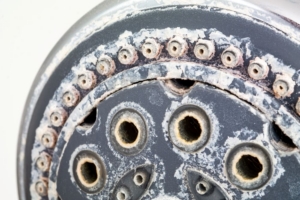 minerals, primarily calcium and magnesium. As groundwater passes through limestone, chalk, and other mineral-rich rock formations, it dissolves these minerals before making its way into municipal water systems or private wells.
Although these minerals aren’t harmful to consume, they can create challenges when water is used throughout the home.
When hard water is heated or evaporates, the minerals remain behind as limescale, which is a chalky buildup that accumulates inside pipes, appliances, fixtures, and even on your skin and hair.
Hard water affects millions of homes across North America, making it one of the most widespread household water quality concerns.
How to Tell If You Have Hard Water
Several common signs may indicate that hard water is present in your home. Here are some common ways to tell if you have hard water:
- You’ll notice white spots on dishes and glassware even after running them through the dishwasher.
- There’ll be soap scum on showers or tubs and mineral buildup around faucets.
- Additionally, water pressure may be reduced and appliances may require frequent descaling.
If you notice several of these symptoms, a simple water hardness test or professional water analysis can confirm the water’s mineral content.
How Hard Water Affects Your Hair
If your hair feels dry, dull, or difficult to manage even after using quality hair care products, your water may be part of the problem.
Mineral Buildup on Hair:
Calcium and magnesium can leave a thin layer of mineral residue on each strand. Over time, this buildup may make the hair feel dry, coarse, heavy, and less manageable. Many people also notice that their hair loses some of its natural shine. This is because mineral deposits prevent light from reflecting evenly off the hair’s surface.
Shampoo Doesn’t Lather Well:
Hard water interferes with the shampoo’s ability to create a rich lather. Instead of rinsing away cleanly, shampoo may combine with minerals in the water, leaving behind residue. In this case, people tend to use more products, but the hair may still feel less clean after washing.
Color-Treated Hair May Fade Faster:
For those with colored hair, hard water minerals can contribute to dullness and may affect how long color treatments appear vibrant. Mineral deposits can make hair more difficult to condition, which may reduce softness and overall appearance between salon visits.
How Hard Water Affects Your Skin
Your skin is your body’s largest organ, and it comes into direct contact with hard water every day. While hard water doesn’t cause skin conditions, it may contribute to discomfort for some, especially those with naturally dry or sensitive skin.
Soap Residue:
Hard water reacts with soap, making it more difficult to rinse completely. Instead of washing away, the soap and minerals can leave a thin film on the skin. This leaves the skin feeling tight, dry, and less refreshed, especially after showering. Some people also find they need to use more soap to get rid of the film.
Dryness and Irritation: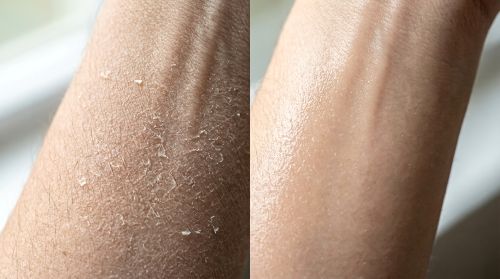
Hard water may contribute to increased dryness since the soap doesn’t completely rinse away. Individuals with sensitive skin may feel increased discomfort during dry seasons, like winter. Maintaining proper skin hydration and using gentle cleansers can help reduce some of these effects.
Can Water Quality Affect Your Health?
It’s important to understand the distinction between hard water and unsafe water.
Hard water itself is generally considered safe to drink and isn’t associated with harmful health effects for most people. In fact, calcium and magnesium are essential minerals that contribute to a healthy diet.
Unsafe water is contaminated with microbials that can transmit diseases like diarrhea, cholera, dysentery, and others.
However, hard water does contribute to poor water quality, which can lead to affecting your daily comfort and your home’s overall environment in ways that indirectly influence well-being.
Dry skin may become more uncomfortable. Hair may become more difficult to handle, poor appliance performance. Poor appliance performance can reduce household efficiency. Scale buildup can affect water heating and plumbing performance.
Water quality should be viewed as part of a broader healthy home strategy that includes proper indoor air quality, good ventilation, and routine home maintenance.
Hard Water’s Impact Beyond Personal Care
The same minerals that leave residue on your hair and skin are also affecting your home’s plumbing system. As hard water flows through pipes and appliances, minerals gradually accumulate inside water heaters, dishwashers, washing machines, and plumbing fixtures.
Over time, scale buildup can reduce appliance efficiency, increase energy consumption, restrict water flow, and shorten equipment lifespan.
Many homeowners first notice hard water through cosmetic signs before realizing that hidden damage may already be occurring inside their plumbing systems.
What Can You Do About Hard Water?
Fortunately, homeowners have several options for managing hard water.
Salt-Based Water Softeners:
Traditional water softeners remove calcium and magnesium through an ion exchange process. These systems can effectively soften water but typically require salt refills, periodic maintenance, and water for regeneration cycles.
Chemical Descalers:
Chemical descaling products help remove existing mineral deposits from appliances like coffee makers and kettles. While effective for cleaning, they don’t prevent future buildup, they must be used repeatedly, and they’re intended for individual appliances, not whole-house coverage.
Electronic Water Descalers:
Instead of removing minerals, electronic descalers alter the way they behave as they move through your plumbing system. 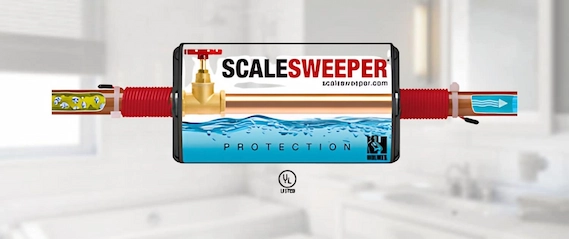 This helps reduce the minerals’ tendency to attach to surfaces and form hard limescale. They remain suspended in the water, which protects the plumbing system while avoiding the ongoing maintenance associated with other solutions.
Why ScaleSweeper Is a Smarter Solution
As the #1 laboratory-tested electronic hard water descaler, ScaleSweeper offers homeowners an easy and maintenance-friendly way to reduce hard water scale throughout the home.
ScaleSweeper helps reduce limescale formation, protects plumbing and appliances, improves water heater efficiency, maintains water flow, and extends equipment lifespan.
Unlike traditional softeners, ScaleSweeper requires no salt, uses no chemicals, produces no waste water, and requires little ongoing maintenance.
For homeowners looking to protect both their home and their daily routines, electronic descaling provides a convenient, environmentally friendly solution.
Supporting Health Starts with a Healthy Home
Healthy living isn’t just about diet and exercise. It includes the environment you live in every day.
Better water quality contributes to more enjoyable and fulfilling showers, cleaner-feeling hair and skin, better-performing appliances, and reduced scale buildup throughout the home.
While hard water isn’t considered a health hazard, reducing its effects can improve daily comfort while protecting some of your home’s most valuable systems.
Your water’s quality doesn’t just affect the water in your drinking glass. From the way your hair feels after a shower to your water heater’s performance, hard water can quietly influence your daily routine in countless ways.
By recognizing the signs of hard water and taking proactive steps to manage mineral buildup, homeowners can enjoy a more comfortable home while extending your appliances’ life.
Solutions like ScaleSweeper make it easier than ever to reduce the damaging effects of hard water without the maintenance associated with traditional softening systems. Protecting your home’s water quality today can help improve comfort, preserve your investment, and support a better everyday experience for years to come.
